Tres apoyos para volverse hacia el misterio
--por Martín Aylward
Hay tres apoyos principales para la conciencia no conceptual. Estos tres apoyos son obvios en muchos sentidos y, sin embargo, su simplicidad contradice su extraordinaria profundidad. Durante los últimos treinta años de mi propia práctica, he descubierto que estos tres elementos revelan continuamente su potencia y posibilidades.
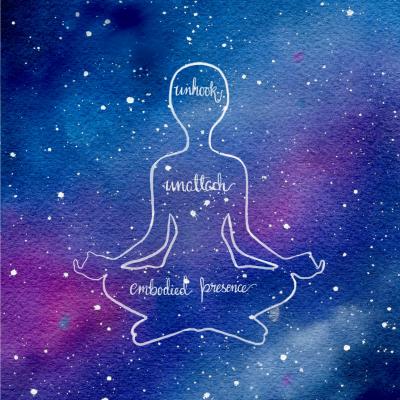
El primer apoyo no conceptual es la presencia encarnada. La presencia corporal es una forma de compensar la tendencia a perderse en la abstracción. Esta práctica requiere que escuchemos desde dentro, que no escuchemos con nuestros oídos, ni con nuestra mente, sino que escuchemos con nosotros mismos. Mientras estás sentado aquí ahora, mientras lees y reflexionas sobre esta enseñanza, permítete escuchar desde dentro, con toda tu conciencia sensorial. Permítete sentir la sensación de estar aquí: cómo tus pies tocan el suelo, la longitud de tu columna.
Esto significa ponerse en contacto con cualquier patrón de tensión que se haya formado. A menudo tenemos algún tipo de patrón de tensión habitual inconsciente en la mandíbula, la frente o los hombros. La presencia encarnada es una forma de enfrentar nuestras tensiones físicamente; conectar los puntos para el tipo de actitudes, estados mentales y patrones emocionales que mantienen esas tensiones; y luego suavizarlos. La presencia encarnada es una invitación a suavizarse, asentarse, relajarse y abrirse a lo que hay aquí. Cuando nos dejamos llevar por nuestros patrones de pensamiento habituales, nos aferramos a esas tensiones. Un cuerpo libre es un cuerpo relajado, un cuerpo abierto. El fundamento de todo nuestro no saber, de todas nuestras formas más profundas y libres de conocer, es la presencia encarnada.
El segundo apoyo útil para la conciencia no conceptual es desarrollar la capacidad y la voluntad de seguir dejando de lado las diversas formas en que nuestra atención es seducida. Es normal que la mente piense. Es tan normal que la mente piense como que los ojos vean y los oídos oigan. Pensar es el trabajo de la mente, por lo que seguirá produciendo pensamientos. No luchemos contra eso.
En momentos en que notamos que nuestra atención ha sido seducida, muchas veces nos desanimamos. "Oh, no, me he distraído otra vez". O pensamos: “Oh, me he distraído. Se supone que debo volver a estar presente, pero tal vez solo en un minuto… Me encanta este pensamiento”. Cuando veas que tu atención se ha vuelto abstracta, absorta en alguna idea o imagen, abandona el pensamiento. Sin juzgar, culpar o dramatizar, simplemente déjalo. Entonces, se vuelve más posible y fluido regresar a la presencia encarnada. La conciencia es mucho más potente, luminosa e inmediata que todas nuestras evasivas mentales. Así que cuando te encuentres atrapad@ en un pensamiento, obsérvalo, y al notarlo, desengancha, desengancha, desengancha. Cuanto más te desenganches de tus modos familiares de pensar, más te darás la oportunidad de aterrizar en el modo desconocido de no saber.
El tercer apoyo importante para la conciencia no conceptual es la voluntad de no saber. La voluntad de dejar de lado lo familiar. La voluntad de afrontar cada experiencia de nuevo. Por ejemplo, hemos estado hablando de escuchar desde dentro, sentir el contacto de nuestras piernas en el suelo y notar los patrones de tensión que surgen. Podemos filtrar fácilmente esas experiencias a través de un discurso habitual: estas son mis piernas, estos son mis hombros, aquí hay algo de tensión, debería dejarla ir. De todos modos, esa narración familiar puede estar ejecutándose en segundo plano. Está bien. Pero ¿qué pasaría si no te basaras en la descripción de brazos y piernas, fríos y calientes, cómodos o incómodos?
En cambio, puedes simplemente entrar en el efervescencia de todo esto, en el misterio. Lo que hay aquí ahora no son brazos, piernas y torso. Lo que hay aquí ahora mismo es esta vitalidad. Mis ideas habituales me dirán qué es mi cuerpo, dónde está mi cuerpo y cómo es mi cuerpo. Pero este tipo de contacto desconocido, este contacto no conceptual, me mostrará el constante parpadeo de la experiencia. Mis ideas me dirán dónde termina mi cuerpo y dónde comienza el mundo, pero esta voluntad de afrontar la experiencia de una manera desconocida me dice que la experiencia no tiene edad. De la misma manera que las sensaciones (lo que yo llamo experiencia interna) ocurren aquí en la conciencia, también suceden los sonidos (o experiencia externa). Este tercer apoyo a la presencia no conceptual consiste en dejar que la experiencia esté aquí en la conciencia. Se trata de dejar que la conciencia sea el terreno principal, el punto de referencia y el contenedor de la experiencia. Y todo lo demás (interno o externo, agradable o desagradable, bueno o malo, meditativamente adecuado o meditativamente inaceptable) puede simplemente dejarse de lado.
A través de esta práctica, nos damos la oportunidad de saborear lo desconocido, de saborear la experiencia de nuevo. En esa novedad encontramos más profundidad, más dimensionalidad, más percepción y una mayor capacidad para afrontar lo que sucede plena y libremente. Y así, nuestra práctica se profundiza.
Preguntas semilla para la reflexión: ¿Qué significa para ti la conciencia no conceptual? ¿Puedes compartir una historia personal de una vez que experimentaste conciencia no conceptual a través de uno de los tres apoyos útiles: presencia encarnada, voluntad de dejar ir las distintas formas que nos tienen distraíd@s, y voluntad de no saber? ¿Qué te ayuda a abrirte al misterio?
Sacado de una pieza de este “Tricycle Magazine” y del curso online sobre El Poder de no Saber. Martin Aylward es uno de los profesores co-fundadores de la “Tapovan Dharma Community” del monasterio en Le Moulin des Chaves en el suroeste de Francia
Excerpted from this Tricycle Magazine's
piece and online course on the Power of Not Knowing.
Martin Aylward is a co-founding teacher of the Tapovan Dharma Community at Le Moulin de Chaves monastery in southwestern France.
Seed Questions for Reflection
What does nonconceptual awareness mean to you? Can you share a personal story of a time you experienced nonconceptual awareness through one of the three helpful supports: embodied presence, willingness to let go of the various ways we get distracted, and the willingness to not know? What helps you open up to mystery?