The Higher Teaching: Take A Vacation
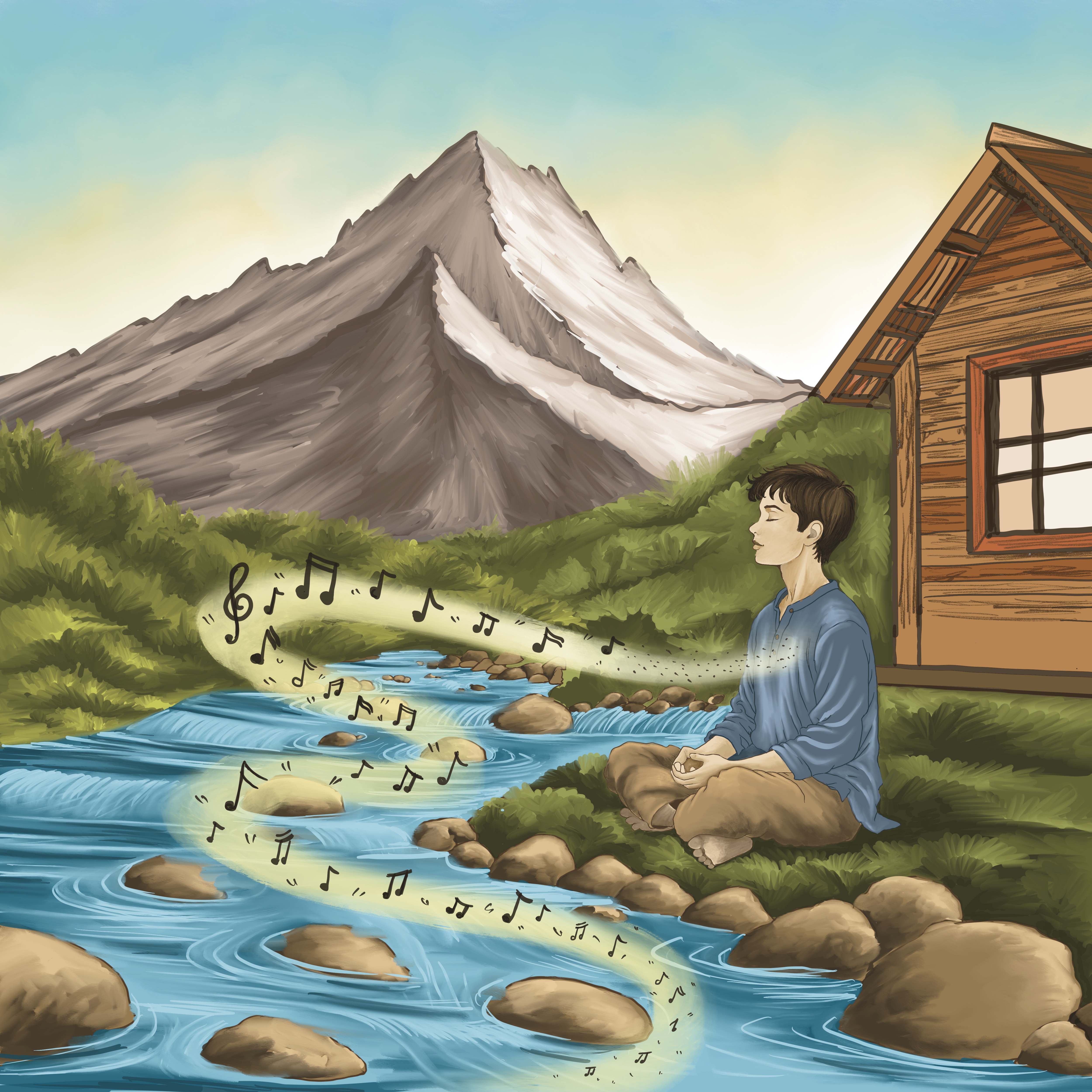
A meditation student once went to the mountains, hoping to find silence. He rented a small cabin near a stream, thinking the sound of water would be soothing. At first, it was. The stream sang and shimmered over the rocks, and he sat down to meditate with great expectation.
But soon his mind began to interfere. Instead of hearing the stream as simple water, he heard patterns. The sounds became a tune. The tune became annoying. Before long, the stream sounded to him like a marching band that would not stop playing.
He tried to ignore it. He tried to meditate through it. But irritation grew. Finally, he got up, walked into the stream, and began moving the rocks. If the water flowed differently, he thought, surely the sound would change. Surely then he could meditate.
For a while, it seemed to work. Then another rhythm appeared. Again, the sound became unbearable. Again, he moved the rocks. This went on until he realized something both simple and humbling: the problem was not the stream. The problem was the mind that could not leave the stream alone.
So much of spiritual life begins this way. We believe peace will come when the conditions are rearranged. If the room were quieter, if the people around us were kinder, if our work were less demanding, if our bodies were less troublesome, if our families were more understanding — then we could be free.
Of course, outer conditions matter. There are times to fix what can be fixed, to protect what needs protection, to make wise changes. But there is also a deeper training: to see how often we keep moving the rocks because we do not know how to sit beside the stream.
Practice asks a different question. Not “How do I make life finally stop disturbing me?” but “Can I meet this moment without making war against it?” The dripping faucet, the crying child, the ache in the body, the person who does not behave as we wish — each reveals the same possibility.
Freedom is not found by perfecting the sound of the stream. It is found when the heart stops demanding that the stream sound different before it can be at peace.
How do you relate to the notion that so much of our spiritual seeking is really a kind of "moving the rocks" - endlessly rearranging the outer conditions of our lives in the quiet hope that peace will finally arrive once everything sounds right? Can you share a personal story of a time when you kept trying to fix or change something outside yourself, only to discover that the real restlessness was living much closer to home? What helps you practice meeting a moment without making war against it - whether it's a dripping faucet, a difficult person, or some small irritation that keeps playing like a tune you can't unhear?