The Higher Teaching: Take A Vacation
La Enseñanza Superior: Tómate unas vacaciones
Jack Kornfield
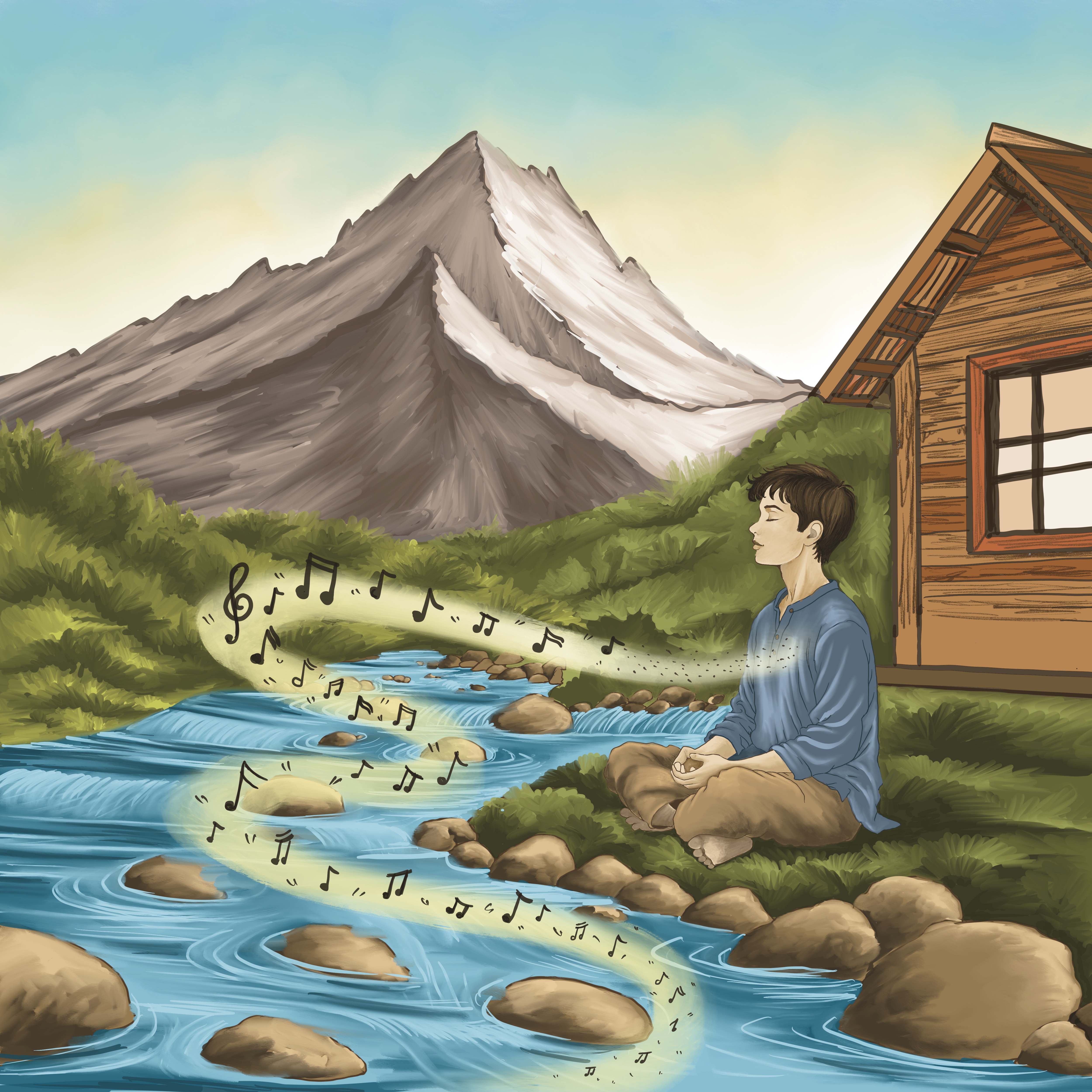
Un estudiante de meditación fue a las montañas con la esperanza de encontrar silencio. Alquiló una pequeña cabaña cerca de un arroyo, pensando que el sonido del agua sería relajante. Al principio, lo fue. El arroyo cantaba y brillaba sobre las rocas, y él se sentó a meditar con gran expectación.
Pero pronto su mente comenzó a interferir. En lugar de escuchar el arroyo como simple agua, oía patrones. Los sonidos se convirtieron en una melodía. La melodía se volvió molesta. En poco tiempo, el arroyo le sonaba como una banda de música que no paraba de tocar.
Intentó ignorarlo. Intentó meditar a pesar del ruido. Pero la irritación crecía. Finalmente, se levantó, entró en el arroyo y comenzó a mover las piedras. Si el agua fluía de forma diferente, pensó, seguramente el sonido cambiaría. Seguramente entonces podría meditar.
Durante un tiempo, pareció funcionar. Entonces apareció otro ritmo. De nuevo, el sonido se volvió insoportable. De nuevo, movió las piedras. Esto continuó hasta que comprendió algo tan simple como aleccionador: el problema no era el arroyo. El problema era la mente que no podía dejar al arroyo en paz.
Gran parte de la vida espiritual comienza así. Creemos que la paz llegará cuando cambien las circunstancias. Si la habitación estuviera más silenciosa, si la gente a nuestro alrededor fuera más amable, si nuestro trabajo fuera menos exigente, si nuestros cuerpos nos causaran menos problemas, si nuestras familias fueran más comprensivas, entonces podríamos ser libres.
Por supuesto, las circunstancias externas importan. Hay momentos para arreglar lo que se puede arreglar, para proteger lo que necesita protección, para hacer cambios sabios. Pero también hay un entrenamiento más profundo: ver con qué frecuencia movemos las piedras porque no sabemos cómo sentarnos junto al arroyo.
La práctica plantea una pregunta diferente. No "¿Cómo hago para que la vida deje de perturbarme?", sino "¿Puedo afrontar este momento sin luchar contra él?". El grifo que gotea, el niño que llora, el dolor en el cuerpo, la persona que no se comporta como deseamos: cada uno revela la misma posibilidad.
La libertad no se encuentra perfeccionando el sonido del arroyo. Se encuentra cuando el corazón deja de exigir que el arroyo suene diferente para poder estar en paz.
Preguntas semilla para la reflexión
¿Cómo te identificas con la idea de que gran parte de nuestra búsqueda espiritual es en realidad una especie de "mover piedras": reorganizar sin cesar las condiciones externas de nuestra vida con la silenciosa esperanza de que la paz finalmente llegue cuando todo parezca correcto? ¿Puedes compartir una historia personal de alguna ocasión en la que intentaste arreglar o cambiar algo externo a ti, solo para descubrir que la verdadera inquietud se encontraba mucho más cerca de casa? ¿Qué te ayuda a aprender a aceptar el momento sin luchar contra él, ya sea un grifo que gotea, una persona difícil o alguna pequeña molestia que se repite como una melodía que no puedes dejar de oír?
How do you relate to the notion that so much of our spiritual seeking is really a kind of "moving the rocks" - endlessly rearranging the outer conditions of our lives in the quiet hope that peace will finally arrive once everything sounds right? Can you share a personal story of a time when you kept trying to fix or change something outside yourself, only to discover that the real restlessness was living much closer to home? What helps you practice meeting a moment without making war against it - whether it's a dripping faucet, a difficult person, or some small irritation that keeps playing like a tune you can't unhear?