Ver la Realidad Tal Como Es
--por Annaka Harris
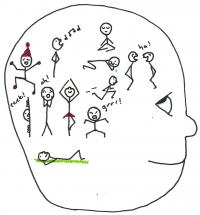
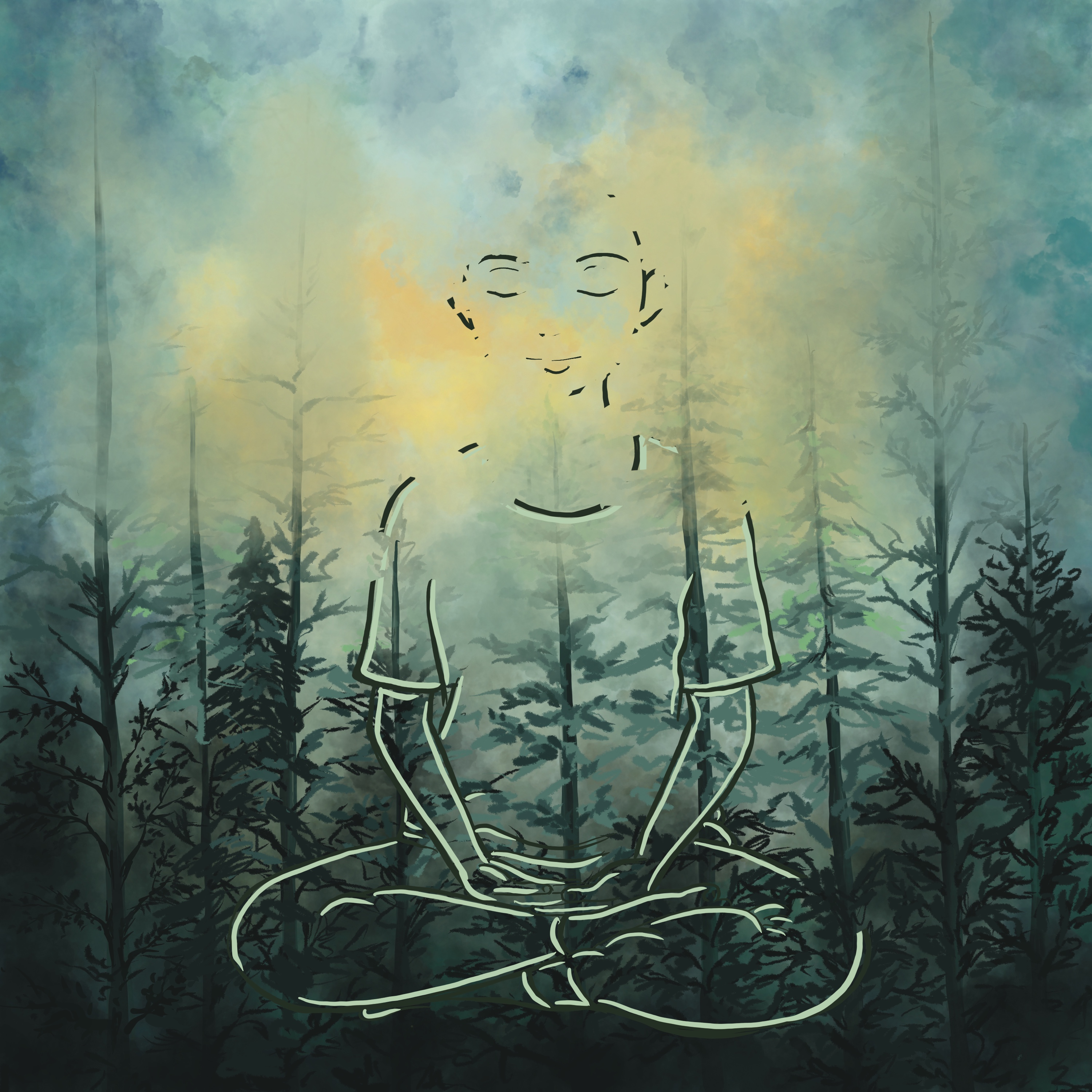
La meditación implica la difícil tarea de cultivar la atención concentrada en la experiencia del momento —el flujo infinito de sentimientos, pensamientos y percepciones— sin juzgarlos ni interpretarlos, ni permitir que tomen control inmediato de nuestras acciones. En su forma más simple, la meditación es una habilidad que socava todos nuestros impulsos evolutivos: planificar para el futuro, aprender del pasado, seguir nuestros deseos de comer, beber, evitar el dolor, etc. En cambio, durante la práctica de la meditación, simplemente permitimos que los sentimientos, pensamientos y percepciones surjan y desaparezcan, y al hacerlo, estas experiencias comienzan a adquirir un carácter diferente al que tienen en la vida diaria.
El teorema de “la Aptitud Vence a la Verdad” (FBT, por sus siglas en inglés), desarrollado por el científico cognitivo Donald Hoffman, afirma que la forma en que los procesos evolutivos triunfan es ocultando la verdad (la realidad subyacente). En otras palabras, cuanto menos modele un sistema la verdadera naturaleza del universo, más probabilidades tendrá de sobrevivir. Nuestra experiencia de ver el color verde, por ejemplo, es útil para navegar por el mundo, pero no nos da ninguna indicación del fenómeno subyacente: las ondas de luz rebotan en una hoja, entran en la retina y son procesadas por el cerebro. Este teorema simplemente va un paso más allá, argumentando que todas nuestras experiencias, incluso las del espacio y el tiempo, nos engañan sobre la verdadera naturaleza de la realidad. Esto no significa que nuestras percepciones no sean buenos mapas de la realidad; si no lo fueran, obviamente no serían ventajosas evolutivamente. "Verde" es una excelente manera de comprimir mucha información en una sola experiencia, pero nuestra experiencia de ver verde no nos dice nada sobre las ondas de luz, etc., y nos hace creer que existe el "verde" más allá de nuestra experiencia de ese color. Si el BTC está en lo cierto, yo estoy convencida de que es así, tendría sentido que el entrenamiento en meditación tenga el potencial de ayudarnos a comprender mejor una capa más fundamental de la realidad, ya que es en parte un ejercicio para "desentrenar" nuestras percepciones evolucionadas.
Quizás no debería sorprendernos que las personas experimenten regularmente estados atemporales y espaciales durante la meditación, encarnados en una "unidad" que ya no asume la naturaleza de un "yo" separado. La neurociencia y la física han revelado que estas tres percepciones —espacio, tiempo y yo— son una distorsión de lo que ahora entendemos como la realidad física subyacente. Estas percepciones pueden incluso considerarse ilusiones en cierto sentido. Esto no significa que la práctica de la meditación deba hacernos perder el aprecio por nuestras vidas como seres humanos evolucionados. Todo lo contrario. Al expandir la curiosidad, la libertad y la capacidad de estar presentes, la meditación ayuda a las personas a encontrar la belleza y el asombro de forma más natural en toda la gama de la experiencia humana. Pero no sorprende que cultivar esta habilidad en particular también pueda servir como herramienta para ayudarnos a percibir la realidad con mayor precisión en algunas ocasiones. Si la evolución nos oculta la verdad por definición, tendría sentido que entrenar la mente para desentrañar nuestra experiencia consciente hasta su forma más pura (dejando ir nuestras percepciones e impulsos evolucionados durante minutos, horas o días) nos brindara una visión más clara del universo en el que estamos inmersos.
Preguntas semilla para la reflexión: ¿Qué opinas de la idea de que la meditación puede revelar una capa más fundamental de la realidad al "desentrenar" nuestras percepciones evolucionadas y permitirnos experimentar estados más allá de las ilusiones del espacio, el tiempo y el yo? ¿Podrías compartir una historia personal que ilustre un momento en el que dejaste ir tus percepciones o juicios habituales y sentiste una profunda sensación de interconexión o "unidad"? ¿Qué te ayuda a mantener el hábito de estar presente y cultivar la atención concentrada en tu vida diaria, para que puedas profundizar en tu experiencia de belleza y asombro en toda la gama de la experiencia humana?
Annaka Harris es autora del bestseller del New York Times "CONSCIOUS" y escritora y productora de la serie de audiodocumentales "LUCES ENCENDIDAS".
Annaka Harris is the New York Times bestselling author of CONSCIOUS and writer and producer of the audio documentary series, LIGHTS ON.
Seed Questions for Reflection
What do you make of the notion that meditation can reveal a more fundamental layer of reality by "un-training" our evolved perceptions and allowing us to experience states beyond the illusions of space, time, and self? Can you share a personal story that illustrates a moment when you let go of your usual perceptions or judgments and felt a deep sense of interconnectedness or "oneness"? What helps you sustain the habit of being present and cultivating concentrated attention in your daily life, so you can deepen your experience of beauty and awe in the full range of human experience?