Las habilidades necesarias para afrontar la angustia
—Por Darlene Cohen
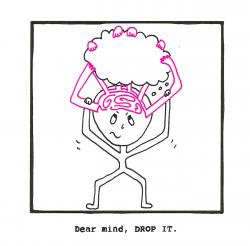
Aceptar el dolor de verdad no es una resignación pasiva. Es, más bien, una participación activa en la vida en su sentido más íntimo. Es afrontarlo, convivir con él, enfrentarlo con vehemencia, dirigirse hacia él. Para aceptar el dolor a este nivel, es necesario cultivar ciertas habilidades. Una vez que se ha desarrollado cierta destreza en estas habilidades, afrontar el dolor se siente mucho más como un abrazo, o el vínculo que se forma entre compañer@s de lucha, que como una resignación. La resignación es demasiado pasiva.
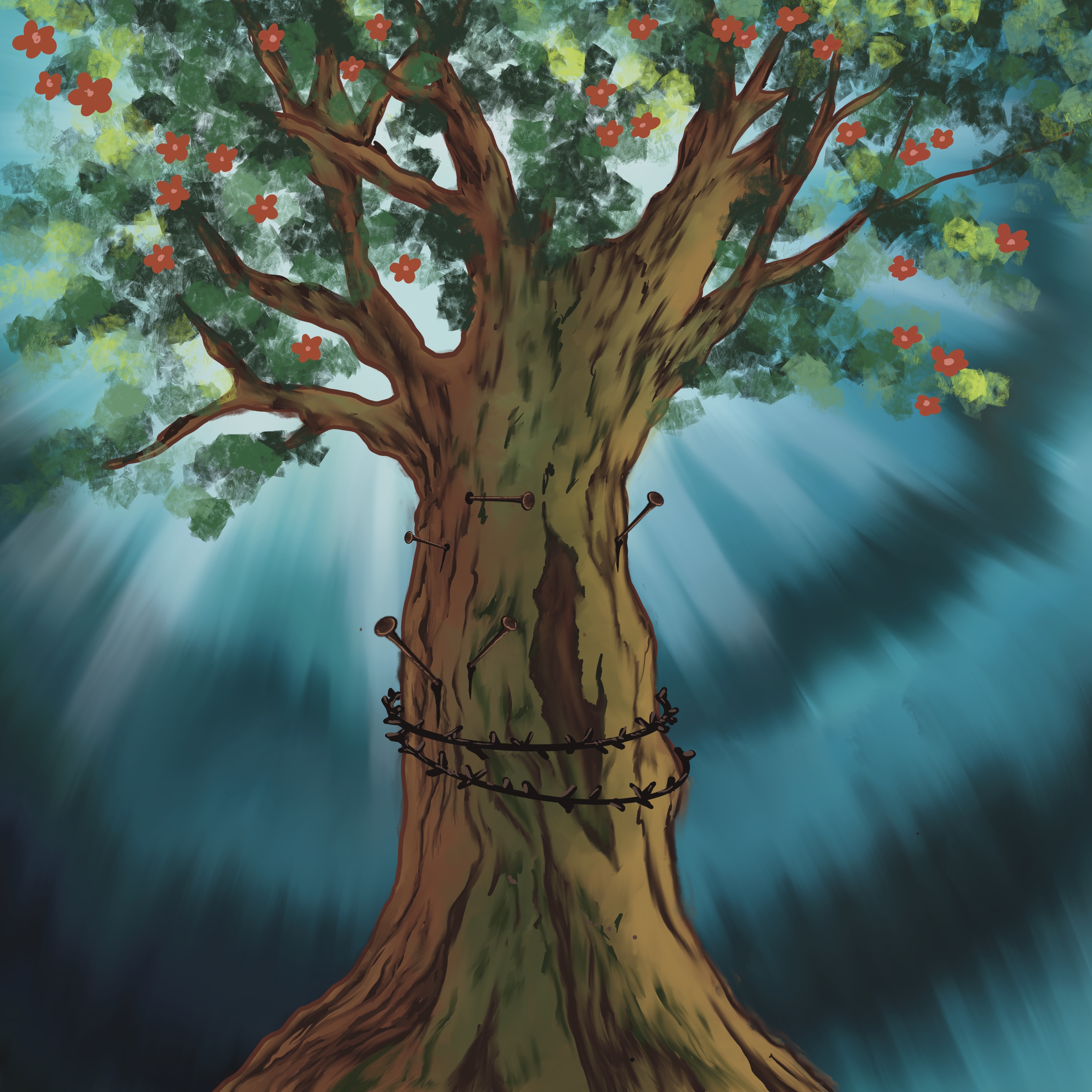
Entonces, ¿cuáles son las habilidades necesarias para afrontar la catástrofe, el dolor y la angustia que experimentas a diario y que probablemente experimentarás durante mucho tiempo? Si te encuentras en esta difícil situación, tu tarea es (1) reconocer estas emociones y su costo, y (2) enriquecer tu vida exponencialmente. [...]
Reconocer tu sufrimiento, comprender exactamente el costo de vivir con la dolorosa situación que atraviesas, es el primer paso para acceder a la fuente de energía que solemos canalizar en nuestros intentos por escapar de la desesperación. Trabajo con personas que padecen enfermedades degenerativas como artritis, esclerosis múltiple y accidentes cerebrovasculares. Muchas de ellas sufren dolor constante e incesante. Me dicen: "¿Por qué querría reconocer mi sufrimiento? ¿Vivir el presente con toda mi agonía? Prefiero distraerme". ¿Por qué? en serio.
Quizás la conclusión sea que si desarrollas una estrategia para lidiar con el sufrimiento que se basa simplemente en la distracción, no funcionará a largo plazo. Tal vez puedas negarlo o distraerte por un corto tiempo: horas o días. La negación es útil a corto plazo: puede permitirte cumplir con una fecha límite a pesar de una crisis o ayudarte a aceptar gradualmente una circunstancia abrumadora; pero a largo plazo tiene un precio muy alto. Si niegas tu dolor o tu sufrimiento durante mucho tiempo, empiezas a vivir en una desolada tundra de insensibilidad. Para mantenerte en la negación, tienes que apartarte de toda información sobre tu situación: los comentarios de los demás, tus propias sensaciones viscerales. De este modo, tu conciencia se estrecha y tu vida transcurre en un solo nivel, sin variación, riqueza ni emoción. […]
Antes mencioné que una de las habilidades útiles para cultivar es enriquecer tu vida exponencialmente. Con esto quiero decir que si en un momento dado eres consciente de diez elementos diferentes —por ejemplo, el sonido de mi voz, tus nalgas en la silla, el ruido de los coches que pasan, la idea de la ropa que tienes que lavar, el zumbido del aire acondicionado, el deslizamiento de tus gafas por la nariz, un desagradable pinchazo de dolor agudo en la espalda, el aire frío que entra por tus fosas nasales, el aire caliente que sale— eso es demasiado dolor, uno de cada diez; Ese es un dolor insoportable que dominará tu vida. Pero si en este momento eres consciente de cien elementos, no solo de las diez cosas que notaste antes, sino también de detalles más sutiles, como la presencia instintiva de otras personas sentadas en silencio en la habitación, la sombra de la lámpara en la pared, el roce de tu cabello contra tu oreja, la tensión de tu ropa contra tu piel, por ejemplo, y sientes dolor junto con todo lo demás que percibes, entonces tu dolor es uno de los cien elementos de tu conciencia en ese momento, y ese es un dolor con el que puedes vivir. Es simplemente una de las muchas sensaciones de tu vida.
Como persona con una enfermedad crónica que trabaja con otras personas que sufren dificultades físicas a largo plazo y la desesperación/amargura que las acompaña, me interesa mucho las cosas que hacen las personas y que influyen en su proceso de sanación. A lo largo de los años, he notado que entre las experiencias curativas más importantes que las personas pueden tenerse encuentran las de profundo placer. Esto es cierto tanto para la sanación física como para la espiritual. Cuando el sufrimiento es crónico o intenso, no puedes permitir que los placeres surjan al azar. Es fundamental tomarse muy en serio la percepción del placer y aprender a incorporar estas sensaciones a la vida. Si te sientes abrumad@ por el estrés emocional o el dolor físico, te aconsejo cultivar la capacidad de reconocer el placer dondequiera que exista la posibilidad de que exista.
— Fragmento de una charla impartida por Darlene Cohen a la Sociedad de Esclerosis Múltiple en marzo de 2000
Preguntas semilla para la reflexión: ¿Qué opinas de la idea de que aceptar el dolor de verdad implica una «participación activa» —una especie de «encuentro, danza, rabia, dirección»— en lugar de una resignación pasiva? ¿Puedes compartir una experiencia personal en la que pasaste de intentar distraerte del sufrimiento a reconocer su coste y enriquecer tu vida exponencialmente? ¿Qué te ayuda a percibir la totalidad de cada momento y el profundo placer que encierra?
Darlene Cohen fue maestra de Zen, asesoró a pacientes con dolor crónico e impartió talleres, clases, conferencias y seminarios sobre artritis y dolor en consulta privada y en centros médicos.
Darlene Cohen was a Zen teacher who counseled chronic pain clients and gave arthritis workshops, classes, lectures, and pain seminars in private practice and at medical facilities and meditation centers throughout the San Francisco Bay Area, as well as Spokane, Washington, and Evanston, Illinois.
Seed Questions for Reflection
What do you make of the idea that truly accepting pain is "active engagement" - a kind of "meeting, dancing with, raging at, turning toward" - rather than passive resignation? Can you share a personal story of a time when you shifted from trying to distract yourself from suffering to acknowledging what it was costing you, and enriching your life exponentially? What helps you notice the totality of each moment and a deep pleasure within it?